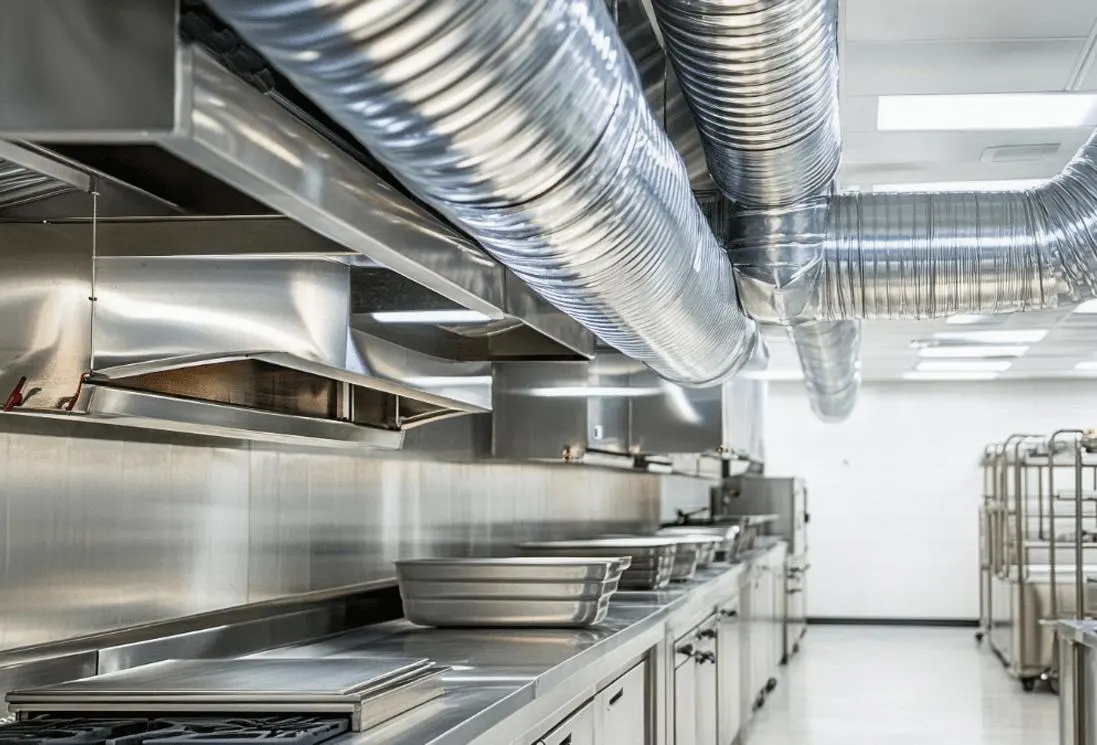
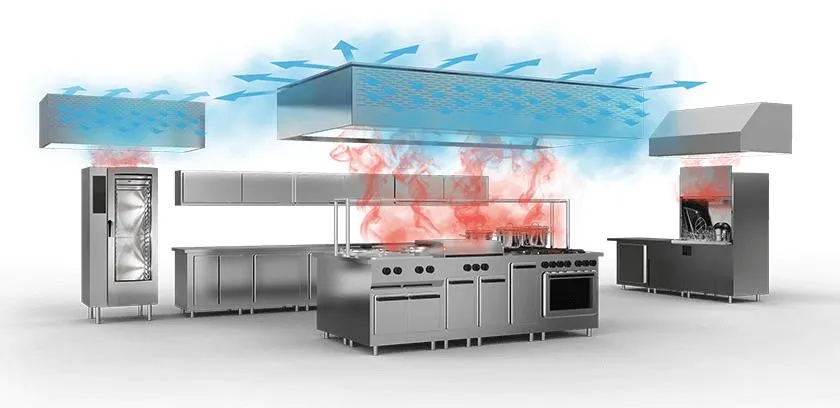
A commercial kitchen extraction system is essential for maintaining a safe, clean, and efficient cooking environment. It removes heat, smoke, grease, steam, and airborne contaminants, helping your kitchen comply with UK health and safety regulations while reducing fire risks. However, even the best extraction system requires regular servicing to perform effectively.
Many business owners ask, “How often should a commercial kitchen extraction system be serviced?” The answer depends on your kitchen’s cooking volume, equipment, and usage. Regular inspections, cleaning, and maintenance help prevent costly breakdowns, improve energy efficiency, and extend the life of your ventilation system.
In this guide, we’ll explain recommended servicing intervals and why routine maintenance is essential for every commercial kitchen.
Why Regular Servicing Is Important
Every day, commercial kitchens generate grease, smoke, moisture, and cooking odours. Over time, these contaminants accumulate in filters, ductwork, fans, and extraction units.
Routine servicing helps to:
- Maintain optimal airflow
- Reduce fire hazards
- Improve indoor air quality
- Extend equipment lifespan
- Lower energy consumption
- Prevent costly repairs
- Ensure compliance with UK ventilation standards
Neglecting maintenance can result in poor extraction performance, increased operating costs, and potential safety risks.
Recommended Servicing Frequency
The ideal servicing schedule depends on how often your kitchen operates and the type of cooking you perform.
Daily Maintenance
Kitchen staff should carry out basic checks every day, including:
- Cleaning grease filters
- Wiping down canopy surfaces
- Checking for unusual noises
- Ensuring extraction fans are operating correctly
- Reporting any visible damage
Simple daily maintenance helps prevent grease build-up and keeps the system functioning efficiently.
Monthly Inspections
A monthly inspection should include:
- Checking fan performance
- Inspecting belts and motors
- Examining electrical connections
- Looking for grease accumulation
- Ensuring airflow remains consistent
These inspections can identify minor issues before they become expensive repairs.
Professional Servicing Every 6 Months
For most commercial kitchens, professional servicing every six months is recommended.
A qualified engineer will typically:
- Inspect the complete extraction system
- Test fan performance
- Check airflow rates
- Clean internal components
- Inspect ductwork access points
- Service motors and moving parts
- Verify electrical safety
- Identify worn or damaged components
High-volume kitchens may require more frequent servicing.
How Often Should Ductwork Be Cleaned?
Duct cleaning is different from routine servicing. The frequency depends on cooking intensity.
Typical recommendations are:
| Kitchen Type | Recommended Cleaning Frequency |
|---|---|
| Heavy-use kitchens (fast food, chargrills, 12–16 hours/day) | Every 3 months |
| Moderate-use restaurants | Every 6 months |
| Light-use kitchens (schools, churches, care homes) | Every 12 months |
Professional duct cleaning removes grease deposits that increase fire risk and restrict airflow.
Signs Your Extraction System Needs Immediate Servicing
Don’t wait for your scheduled maintenance if you notice:
- Reduced extraction performance
- Excessive kitchen heat
- Smoke lingering indoors
- Strong cooking odours
- Grease dripping from the canopy
- Loud or unusual fan noises
- Increased energy bills
- Staff complaints about poor air quality
These signs often indicate blocked filters, worn components, or ductwork requiring attention.
What Happens During a Professional Service?
A complete commercial kitchen extraction service usually includes:
- Inspection of the canopy
- Grease filter cleaning or replacement
- Fan inspection and testing
- Motor servicing
- Belt adjustment or replacement
- Electrical safety checks
- Airflow testing
- Ductwork inspection
- Lubrication of moving parts
- System performance assessment
The engineer may also recommend repairs or upgrades if any components are nearing the end of their service life.
Benefits of Routine Servicing
Improved Fire Safety
Regular maintenance removes grease build-up that could fuel kitchen fires.
Better Energy Efficiency
Clean fans and filters work more efficiently, reducing energy costs.
Longer Equipment Lifespan
Routine servicing reduces wear and tear on motors, fans, and ductwork.
Reduced Downtime
Preventative maintenance helps identify issues before they cause unexpected breakdowns.
Improved Air Quality
Effective extraction creates a healthier, more comfortable environment for kitchen staff.
Easier Compliance
Well-maintained systems are more likely to meet UK health, safety, and fire safety requirements during inspections.
Choosing a Professional Maintenance Provider
When selecting a commercial kitchen ventilation specialist, look for a company that offers:
- Experienced engineers
- Comprehensive system inspections
- Preventative maintenance plans
- Professional duct cleaning
- Emergency repairs
- Detailed maintenance records
- Compliance-focused servicing
- Support for all types of commercial kitchens
A planned maintenance programme helps ensure your extraction system remains reliable throughout the year.
Final Thoughts
A commercial kitchen extraction system should never be treated as a “fit and forget” installation. Regular servicing is essential for maintaining performance, protecting staff, reducing fire risks, and ensuring compliance with UK standards.
As a general guideline, daily checks by kitchen staff, monthly inspections, professional servicing every six months, and duct cleaning based on your kitchen’s usage will keep your ventilation system operating safely and efficiently. Investing in preventative maintenance not only extends the life of your equipment but also helps avoid costly repairs and business disruption in the future.