Complete extraction and ventilation systems designed around your cooking equipment, kitchen layout, operating hours and building requirements.
Extractor Experts supplies, installs, repairs and maintains commercial kitchen extraction systems for restaurants, takeaways, hotels, schools, care facilities and catering operations across London and Greater London.
Extraction Systems
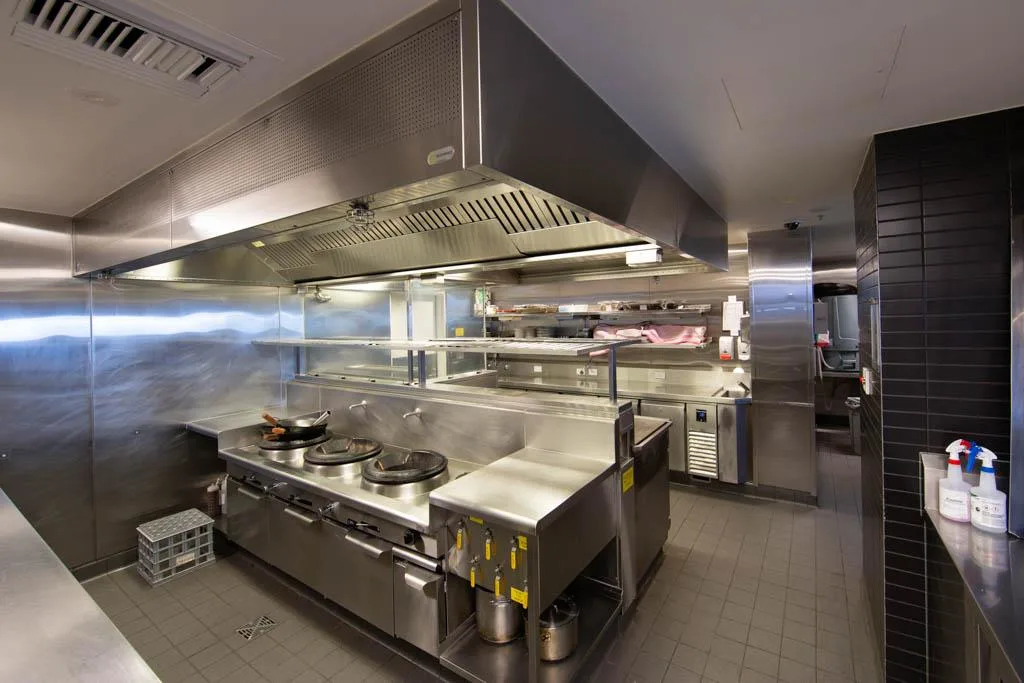
A commercial kitchen extraction system must do more than turn on and make noise. It needs to capture cooking emissions at the canopy, move them through suitable filters and ductwork, and discharge extracted air appropriately.
At the same time, the kitchen needs sufficient replacement air to avoid excessive negative pressure, uncomfortable draughts and poor system performance.
Extractor Experts assesses the complete system, including:
Considering these elements together helps avoid the common mistake of selecting a fan or canopy without understanding how it will perform within the complete installation.
System Components
Compact, straightforward fans suited to shorter duct runs and lower-resistance systems, often used for smaller kitchens and takeaways.
Higher-pressure fans capable of handling longer ductwork runs and higher resistance, typical of larger commercial kitchens.
Positioned above roof level to keep noise and heat away from occupied spaces, and to simplify discharge point compliance.
Selected where planning conditions, nearby residents or licensing restrictions limit the acceptable noise level from extraction plant.
Supply air units that replace what's extracted, keeping the kitchen in balance and preventing doors, windows and gas appliances from being affected.
Standalone control panels or integration with an existing BMS, including fire suppression interlocks where a system is fitted.
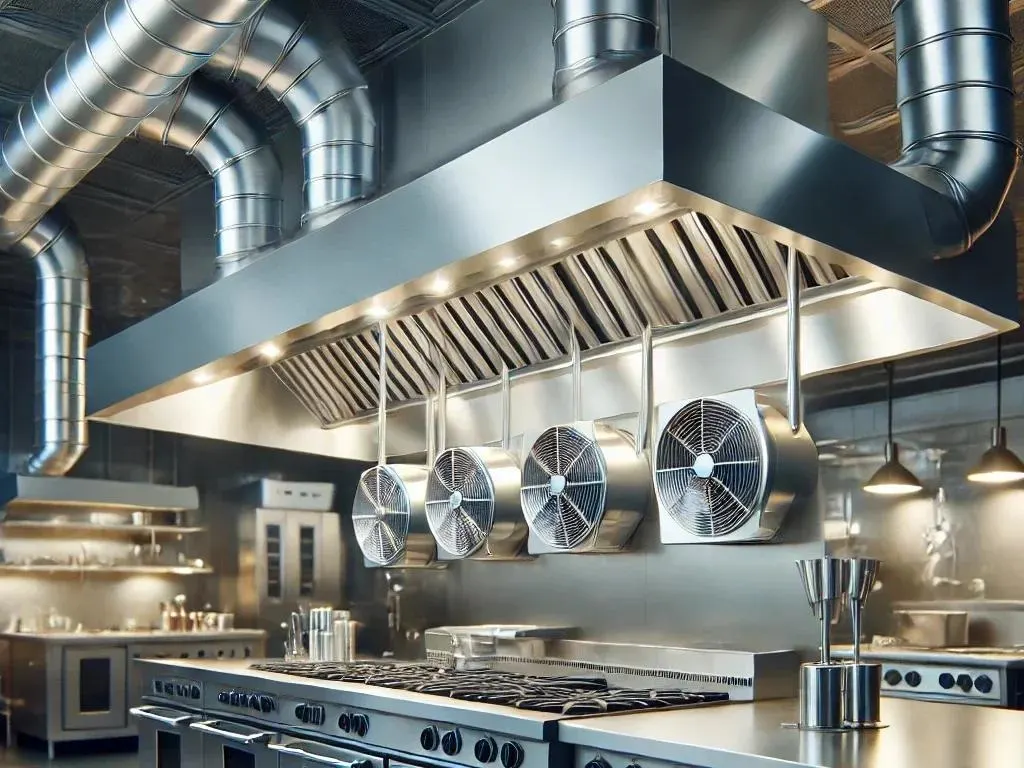
Kitchen extraction fans are a common source of noise complaints and licensing conditions, particularly where a kitchen sits close to residential neighbours. We factor acoustic performance into the design from the outset fan selection, attenuator placement, and discharge point rather than treating noise as an afterthought once a complaint arrives.
Commercial kitchen ventilation may involve several areas of regulation, guidance and professional responsibility.
Relevant considerations can include:
The applicable requirements depend on the building, equipment, fuel type and agreed project scope.
Extractor Experts can design and install the extraction-related work described in its quotation. We do not replace Building Control, planning authorities, fire engineers, gas engineers, insurers or the premises’ Responsible Person.
Only describe Extractor Experts as BESA accredited or authorised to issue TR19 certification if current written evidence confirms that status.
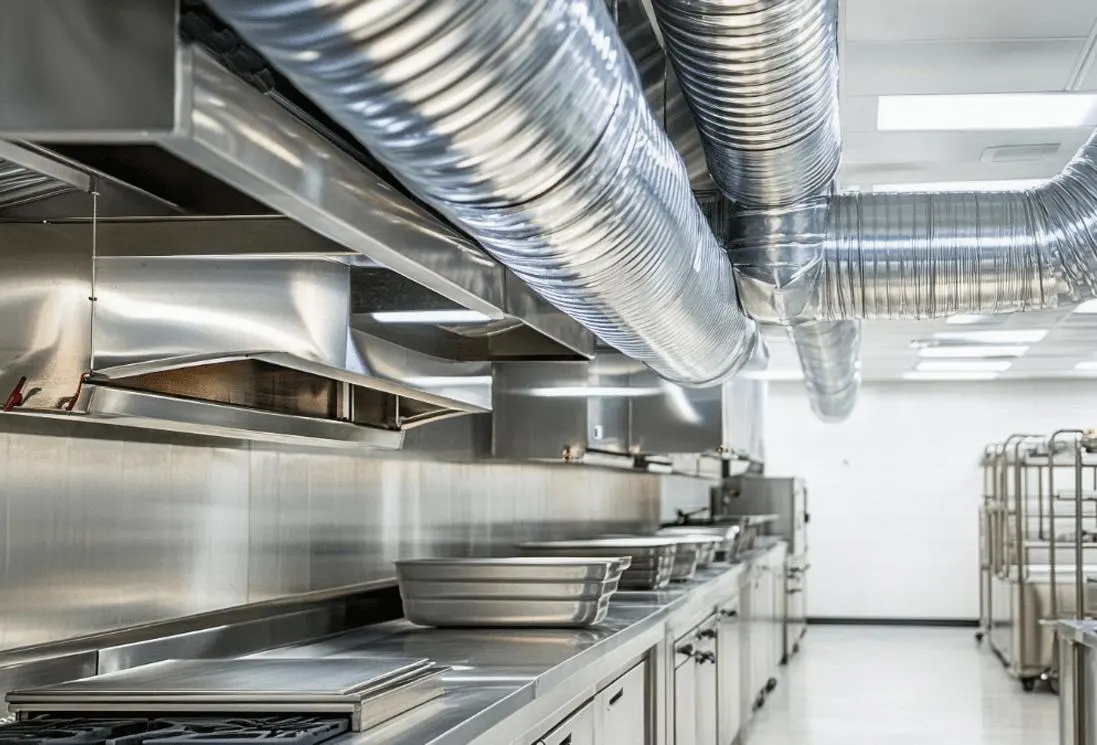
London extraction projects often involve mixed-use buildings, restricted duct routes, nearby homes, roof-access limitations, and borough-specific planning requirements.
A site survey is needed to assess system feasibility and the work required.
FAQs
Related Services
Purpose-designed ductwork connecting the canopy, fan and discharge point.
Bespoke extraction canopies designed around the cooking line and required capture area.
Scheduled inspection and maintenance for fans, filters, controls and related components.
Free site survey · no obligation