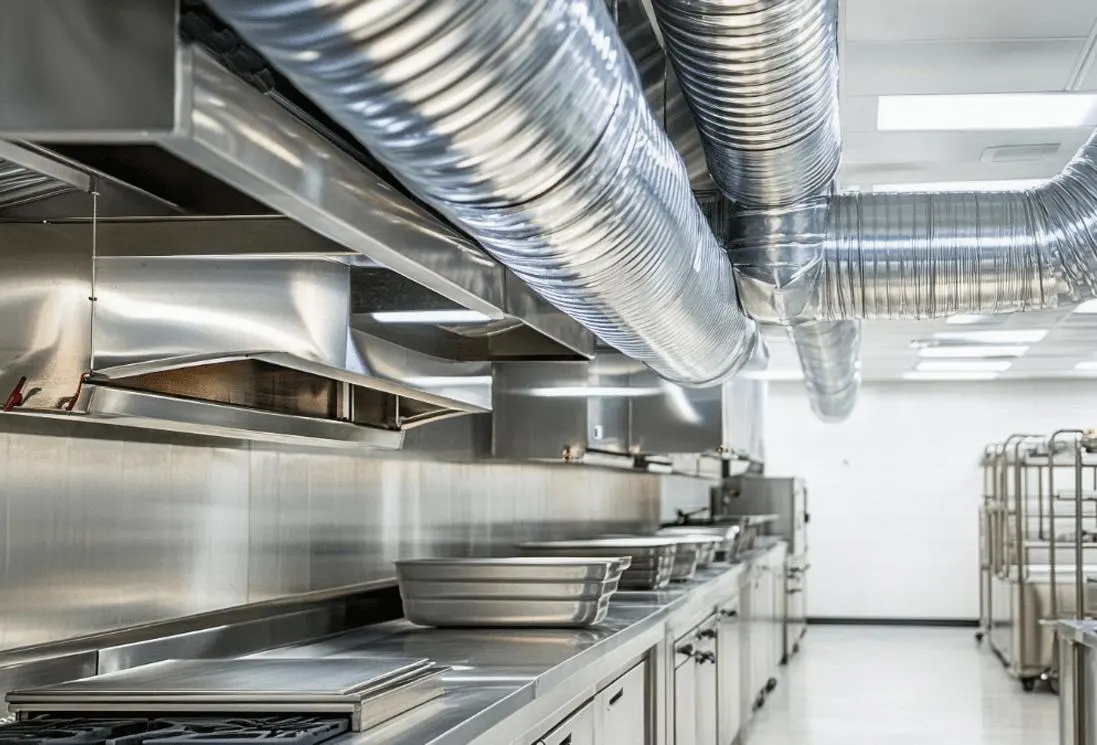
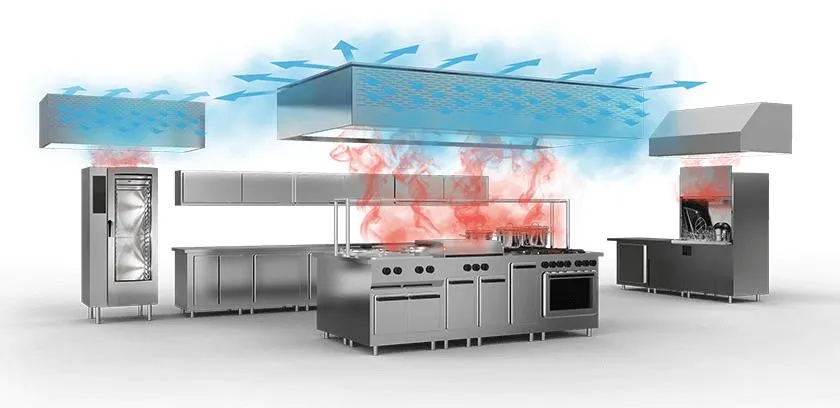
Commercial kitchen ventilation is one of the most important elements of a safe, efficient, and legally compliant food business. Whether you operate a restaurant, café, hotel, school kitchen, takeaway, or food production facility, your extraction system must effectively remove heat, smoke, grease, steam, and airborne contaminants while meeting UK regulations.
Failing to maintain a compliant ventilation system can lead to poor indoor air quality, increased fire risk, failed inspections, higher energy costs, and potential business disruption. Understanding the key compliance requirements helps protect your staff, customers, and investment.
In this guide, we’ll explain the essentials of UK commercial kitchen ventilation compliance, why it matters, and how to keep your kitchen operating safely.
Why Commercial Kitchen Ventilation Matters
Every commercial kitchen produces large amounts of heat, grease vapour, smoke, and cooking odours. Without an effective extraction system, these contaminants quickly build up and create unsafe working conditions.
A properly designed ventilation system helps:
- Remove grease-laden air
- Improve indoor air quality
- Control kitchen temperatures
- Reduce fire hazards
- Protect staff health
- Improve customer comfort
- Prevent grease accumulation inside ductwork
- Support compliance with UK safety regulations
A high-quality extraction system also improves energy efficiency by maintaining balanced airflow throughout the building.
What Does UK Compliance Mean?
Commercial kitchen ventilation compliance involves ensuring your extraction system is properly designed, installed, maintained, and cleaned according to UK standards and industry best practices.
Compliance generally covers:
- Correct airflow calculations
- Proper canopy design
- Adequate fresh air replacement
- Fire safety measures
- Grease filtration
- Ductwork installation
- Regular maintenance
- Professional cleaning schedules
The exact requirements depend on the type of kitchen, cooking equipment, and building layout.
Key Regulations and Guidance
Commercial kitchens should follow several recognised standards and guidance documents.
DW/172
DW/172 provides industry guidance for the design, installation, and maintenance of commercial kitchen ventilation systems.
It covers:
- Canopy sizing
- Airflow rates
- Ductwork design
- Grease management
- Fire safety considerations
- Maintenance recommendations
Many professional ventilation contractors use DW/172 as the primary design standard.
Health and Safety Requirements
Employers have a legal responsibility to provide a safe working environment.
Good ventilation helps:
- Reduce excessive heat
- Remove harmful airborne contaminants
- Improve employee comfort
- Lower the risk of respiratory problems
Poor ventilation may contribute to unsafe working conditions and reduced productivity.
Fire Safety Compliance
Grease deposits inside extraction systems are one of the leading causes of commercial kitchen fires.
Fire safety compliance includes:
- Grease filters
- Fire-rated ductwork where required
- Regular duct cleaning
- Accessible inspection panels
- Routine maintenance
Keeping ductwork clean dramatically reduces fire risk.
Components of a Compliant Kitchen Ventilation System
Kitchen Canopy
The canopy captures heat, smoke, grease, and steam directly above cooking appliances.
Proper canopy sizing is essential for effective extraction.
Grease Filters
High-quality grease filters remove airborne grease before it enters the ductwork.
Benefits include:
- Reduced grease build-up
- Improved airflow
- Lower cleaning costs
- Increased fire safety
Filters should be cleaned frequently.
Extraction Fans
Extraction fans remove contaminated air from the kitchen.
Fan performance should match the kitchen’s cooking load and airflow requirements.
Oversized or undersized fans can reduce system efficiency.
Fresh Air Supply
Extracting air without replacing it creates negative pressure.
A balanced system introduces fresh air while removing contaminated air, improving comfort and maintaining efficient operation.
Ductwork
Well-designed ductwork ensures contaminants are safely transported outside the building.
Professional ductwork should:
- Minimise airflow resistance
- Allow access for cleaning
- Reduce grease accumulation
- Meet fire safety standards
The Importance of Regular Maintenance
Installing a compliant system is only the beginning.
Routine maintenance keeps the system operating safely and efficiently.
Maintenance typically includes:
- Fan inspections
- Belt checks
- Motor servicing
- Filter cleaning
- Airflow testing
- Electrical inspections
- System performance checks
Ignoring maintenance often results in reduced extraction performance and costly repairs.
Why Duct Cleaning Is Essential
Grease naturally builds up inside extraction ductwork over time.
Without regular cleaning, this can lead to:
- Increased fire risk
- Reduced airflow
- Higher energy consumption
- Unpleasant odours
- Equipment failure
Professional duct cleaning removes accumulated grease and helps maintain compliance.
Cleaning frequency depends on cooking volume and kitchen type.
Signs Your Ventilation System May Not Be Compliant
Your extraction system may require inspection if you notice:
- Excessive heat in the kitchen
- Smoke lingering during cooking
- Strong cooking odours
- Grease around vents
- Poor airflow
- Noisy extraction fans
- Staff complaints about air quality
- Increased energy bills
These issues often indicate maintenance or design problems.
Benefits of Staying Compliant
Maintaining a compliant ventilation system provides long-term benefits.
Improved Safety
Clean ductwork and efficient extraction reduce fire hazards and create a safer workplace.
Better Staff Comfort
Cooler temperatures and cleaner air improve employee wellbeing and productivity.
Lower Operating Costs
Efficient systems consume less energy and reduce unexpected repair expenses.
Healthier Indoor Air
Effective ventilation removes airborne contaminants that can affect both staff and customers.
Longer Equipment Life
Routine servicing helps fans, motors, filters, and ductwork last significantly longer.
Easier Inspections
Well-maintained systems are more likely to meet inspection requirements and avoid costly enforcement issues.
Choosing the Right Ventilation Contractor
Selecting an experienced commercial kitchen ventilation specialist is just as important as choosing the right equipment.
Look for a contractor that provides:
- Site surveys
- Bespoke ventilation design
- Professional installation
- Compliance with UK standards
- Scheduled maintenance
- Duct cleaning services
- Emergency repairs
- Detailed maintenance records
Working with one experienced provider ensures accountability throughout the life of your ventilation system.
Final Thoughts
UK commercial kitchen ventilation compliance is about far more than meeting regulations—it’s about creating a safe, efficient, and productive kitchen environment. From proper system design and installation to regular servicing and duct cleaning, every part of your ventilation system plays a vital role in protecting your business.
If your extraction system hasn’t been professionally inspected or maintained recently, now is the ideal time to arrange an assessment. Investing in compliance today can help prevent costly repairs, improve energy efficiency, reduce fire risks, and keep your commercial kitchen operating at its best for years to come.