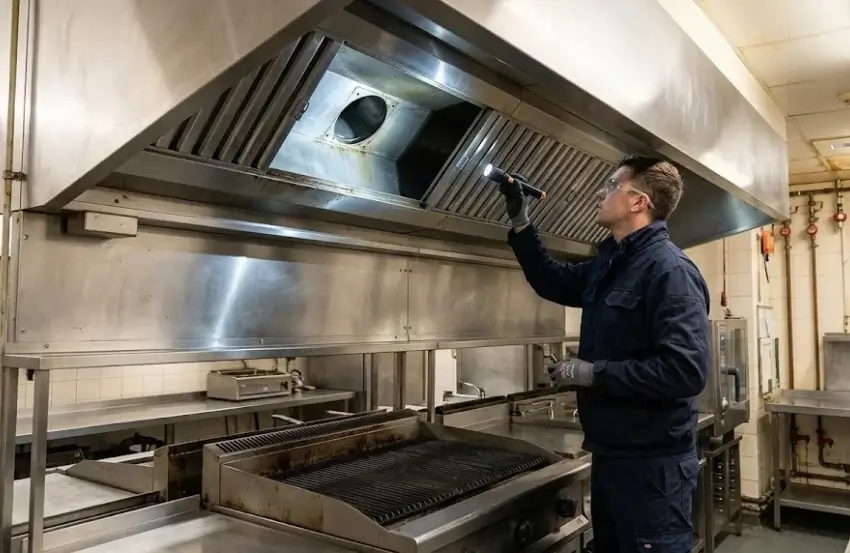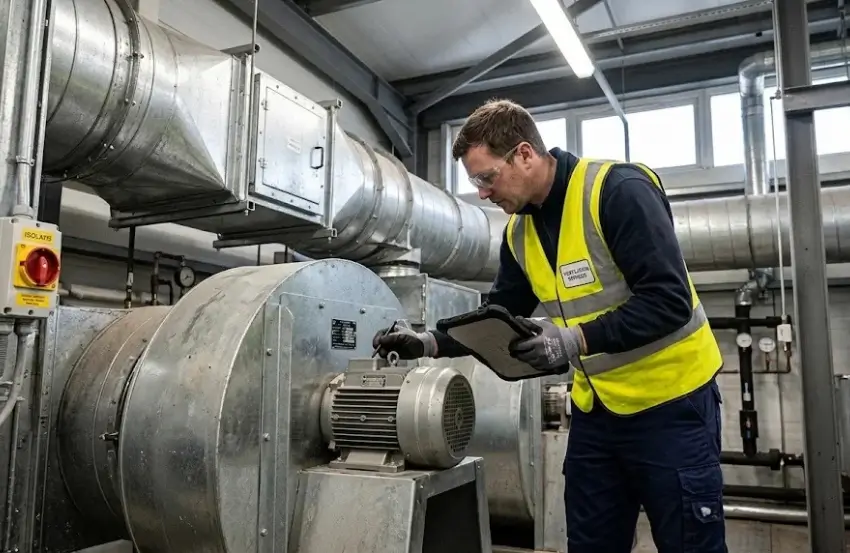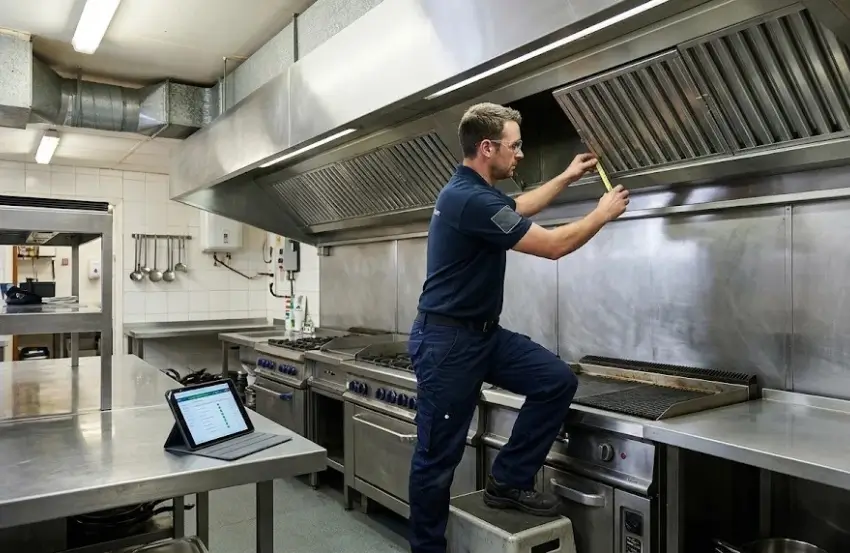
Restaurant extraction upgrade planning helps commercial kitchen operators improve ventilation without causing unnecessary disruption to food preparation, customer service or daily trading. The most effective approach involves assessing the existing extraction system, identifying essential improvements and arranging installation work during suitable periods when the kitchen is not operating.
A restaurant kitchen extraction upgrade may involve replacing extractor fans, modifying ductwork, improving canopy performance or installing additional ventilation components. Each activity requires careful scheduling because extraction equipment is essential for removing cooking fumes, grease-laden air, heat and unwanted odours.
Restaurant owners should begin by reviewing their busiest service periods, kitchen preparation schedules and available maintenance windows. Work can then be divided into manageable stages where technically and safely practical. Some activities may take place outside normal opening hours, while others require temporary kitchen closure or restrictions on cooking equipment.
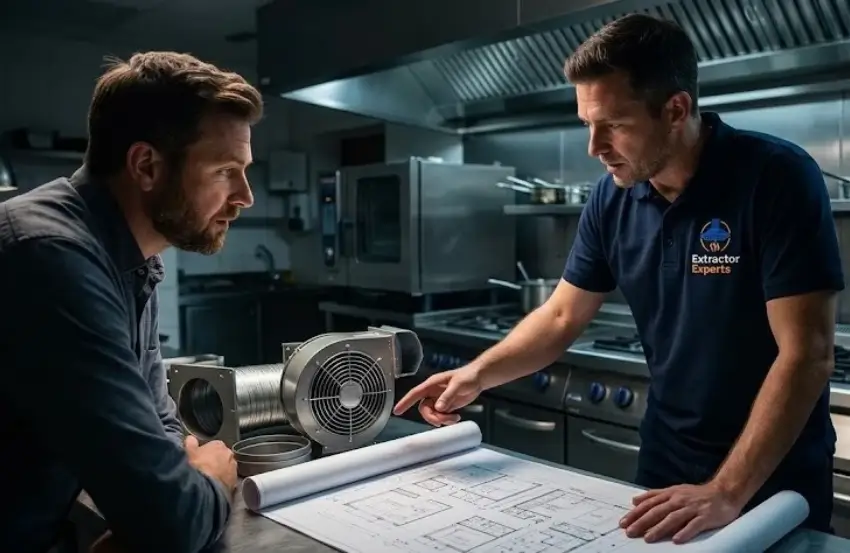
Extractor Experts Ltd provides commercial kitchen extraction design, installation, repairs and maintenance services for businesses across London, Greater London and Surrey.
Professional assessment helps restaurant operators understand the work required, potential downtime and appropriate arrangements before committing to an upgrade.
Why Restaurant Extraction Upgrade Planning Matters
A commercial kitchen extraction system operates alongside cooking equipment throughout the working day. When the system becomes inefficient, outdated or unsuitable for current cooking demands, upgrading may be necessary to improve performance.
However, replacing ventilation equipment while a restaurant remains operational can create significant challenges.
Kitchen extraction systems often connect several components, including canopies, ductwork, extraction fans, electrical controls and external discharge arrangements. Changing one component can affect the performance of others.
For example, installing a more powerful extractor fan without checking the existing ductwork and replacement-air supply may introduce excessive noise, unwanted pressure differences or poor overall airflow.
Restaurant extraction upgrade planning should therefore consider the entire ventilation system rather than focusing solely on individual components.
Careful preparation also helps prevent unexpected interruptions. Restaurant managers can coordinate staff schedules, food deliveries, equipment access and kitchen cleaning before installation begins.
A properly organised upgrade gives contractors sufficient access to complete the work and allows kitchen operators to prepare for any necessary interruption to service.
When Should a Restaurant Consider Upgrading Its Extraction System?
Not every ventilation problem requires a complete system replacement. Some issues can be addressed through maintenance, cleaning, adjustments or targeted repairs.
Nevertheless, certain conditions suggest that a more substantial restaurant ventilation system upgrade may be appropriate.
Poor Extraction Performance
Cooking fumes, steam or excessive heat remaining inside the kitchen may indicate insufficient extraction.
This can result from blocked filters, deteriorating fans, poorly designed ductwork or changes to cooking equipment.
A professional assessment can establish whether maintenance, repairs or system modifications would provide the most appropriate solution.
Excessive Fan Noise or Vibration
Unusual mechanical noise, rattling ductwork or noticeable vibration may indicate problems with fan components, mounting arrangements or system airflow.
Replacing the fan without investigating the underlying cause may not resolve the issue.
An assessment should consider mechanical condition, operating speed, duct resistance and suitable noise-control measures.
Changes to Cooking Equipment
Restaurants frequently modify their menus, increase cooking capacity or introduce additional appliances.
These changes can affect ventilation requirements.
For example, adding a high-output chargrill or increasing fryer capacity may increase the quantity of heat, smoke and grease-laden air requiring extraction.
The existing canopy and ventilation system should be assessed against the revised cooking arrangement before new equipment is brought into operation.
Ageing or Frequently Failing Equipment
Repeated breakdowns, worn motors and difficult-to-source replacement components may make an upgrade more practical than continuing with repairs.
The decision should consider the condition of the equipment, available replacement parts, system suitability and anticipated future kitchen requirements.
For businesses experiencing recurring faults, professional commercial extractor fan repairs and fault finding can help identify whether replacement is justified.
How to Schedule a Restaurant Kitchen Extraction Upgrade Around Opening Hours
Illustrative planning sequence — actual arrangements depend on the restaurant and project scope.
-
Assess the existing system
Review equipment condition, airflow, access, cooking requirements and potential installation constraints.
-
Identify suitable work windows
Compare restaurant opening hours, food preparation periods, deliveries and quieter trading days.
-
Confirm design and approvals
Agree the proposed equipment, ductwork alterations, permissions and safety arrangements before work begins.
-
Complete suitable preparatory work
Arrange equipment deliveries, off-site preparation and safe installation access where practical.
-
Schedule extraction shutdown
Isolate the affected system and carry out installation during an agreed period without affected cooking operations.
-
Test before reopening
Complete commissioning, safety checks, cleaning and operational handover before normal cooking resumes.
Review Restaurant Opening and Preparation Hours
The first step is to establish when the kitchen is genuinely available for engineering work.
Restaurant opening hours do not always reflect kitchen operating hours. Staff may begin preparing food several hours before customers arrive and continue cleaning long after service ends.
Managers should consider breakfast preparation, lunch and dinner service, deliveries, cleaning schedules and any overnight production.
A restaurant closing at 10 pm, for example, may still require kitchen access until midnight. Contractors must account for this when planning the installation.
Identifying genuine downtime prevents unrealistic schedules and reduces the risk of work interfering with food production.
Arrange Work During Quieter Trading Periods
Restaurants may have quieter weekdays, seasonal closures or planned refurbishment periods.
These can provide opportunities for ventilation upgrades that would otherwise interrupt busy trading.
Some installations may be suitable for evening or overnight work, provided access, staff availability, building rules and noise restrictions permit it.
Where significant ductwork changes or equipment replacement are required, a planned closure may be safer and more efficient than attempting to complete the project through several short visits.
The best arrangement depends on the system design and the nature of the work.
Coordinate with Kitchen Staff and Contractors
Communication between the restaurant management team and installation contractor is essential.
Kitchen staff should understand which areas will be inaccessible, when equipment will be isolated and whether any food preparation activities need to be rescheduled.
Contractors should know about restricted access routes, loading arrangements, occupied areas and neighbouring businesses.
Where multiple trades are involved, their activities should be coordinated to avoid unnecessary delays or unsafe overlapping work.
Can Commercial Kitchen Extraction Upgrades Be Completed Overnight?
Some commercial kitchen extraction system upgrades can be scheduled overnight, but not every installation can be completed within a single night.
Replacing an accessible extractor fan may require less work than redesigning an entire ductwork route or installing a new kitchen canopy.
Overnight projects also depend on equipment availability, safe working access, electrical isolation, lifting arrangements and any required building permissions.
Work involving external ductwork may create noise that affects neighbouring residents or businesses. Night-time installation may therefore be unsuitable even when the restaurant itself is closed.
A realistic programme should include time for installation, testing, commissioning and unexpected complications.
Restaurants should avoid scheduling a full reopening immediately after the proposed completion time without allowing an appropriate contingency.
Most importantly, affected cooking equipment should not be operated without adequate, functioning ventilation.
The Health and Safety Executive explains that commercial kitchen ventilation is needed to remove heat, fumes and vapours and provide an appropriate working environment.
What Work Can Be Completed Before the Restaurant Closes?
One way to reduce installation downtime is to complete suitable preparatory activities before the existing extraction system is taken out of service.
The precise opportunities depend on the site and should be determined by the contractor.
Equipment Surveys and Measurements
Site measurements, access inspections and equipment assessments can often be arranged before the installation date.
This helps identify canopy dimensions, ductwork routes, fan locations and electrical requirements.
Accurate information also reduces the likelihood of discovering major installation constraints after work begins.
Off-Site Fabrication and Equipment Preparation
Where appropriate, ductwork sections, mounting components and other equipment can be prepared before delivery.
This may reduce the amount of fabrication required inside the restaurant.
However, final installation still requires verification of dimensions, connections and site conditions.
Delivery and Material Coordination
Large ventilation components can be difficult to move through narrow restaurant entrances or busy commercial premises.
Arranging deliveries outside customer service periods may help prevent congestion and reduce disruption.
Materials should be stored securely without blocking fire exits, food preparation areas or essential access routes.
Non-Disruptive Preliminary Work
Certain activities outside the active extraction system may be possible before shutdown.
These could include preparing suitable supports or arranging access equipment, subject to a site-specific risk assessment.
Work must not compromise existing ventilation, food hygiene, fire precautions or normal restaurant operations.
How to Minimise Restaurant Downtime During Extraction Installation
Minimising downtime does not mean rushing installation. It means identifying avoidable delays while allowing sufficient time for safe, effective work.
A coordinated restaurant ventilation system upgrade should account for the following considerations.
| Planning consideration | Recommended approach |
|---|---|
| Equipment availability | Confirm critical components before agreeing shutdown dates |
| Kitchen access | Clear agreed work areas before contractors arrive |
| Staff schedules | Adjust preparation and cleaning activities around the work |
| Electrical isolation | Arrange competent personnel and safe isolation procedures |
| Ductwork alterations | Confirm routes, access and installation requirements |
| Testing | Reserve sufficient time for commissioning |
| Reopening | Allow for final checks and unexpected delays |
Restaurants should also consider whether the proposed work affects gas-fired appliances, fire-safety arrangements or other building services.
Any necessary specialist checks must be completed by appropriately competent personnel.
If ventilation cannot be restored as planned, the restaurant may need to delay affected cooking activities until the system is confirmed safe and suitable for use.
Should Restaurants Upgrade Their Entire Extraction System?
A complete extraction replacement is not always necessary.
In some kitchens, the existing canopy and ductwork may remain suitable while the extraction fan or control components require replacement.
Other kitchens may need more extensive modifications because their cooking equipment, layout or operating requirements have changed.
The decision should follow a technical assessment of the system.
Extractor Fan Replacement
Fan replacement may be appropriate when the existing unit is damaged, unreliable or unable to meet the required operating conditions.
The replacement must be selected with consideration for airflow, system resistance, temperature, grease exposure and installation requirements.
Simply installing a larger fan does not guarantee better extraction.
Ductwork Modifications
Commercial kitchen ductwork may require alteration when cooking equipment is relocated or extraction capacity changes.
The design should consider suitable materials, cleaning access, airflow resistance and discharge arrangements.
Poorly planned modifications can introduce performance problems or complicate future maintenance.
Extractor Experts provides commercial ductwork installation for relevant commercial kitchen projects.
Kitchen Canopy Upgrades
A canopy may require modification or replacement when its size, position or capture performance is no longer suitable for the cooking equipment beneath it.
The canopy should be considered alongside the extraction fan, ductwork and replacement-air arrangements.
An appropriately designed system can help capture cooking emissions more effectively while supporting a suitable kitchen working environment.
Ventilation Design Improvements
A restaurant may also require changes to its replacement-air provision, system controls or noise-control arrangements.
These decisions should be based on the cooking processes and the overall airflow requirements.
Professional commercial ventilation design helps establish how the different components should operate together.
What UK Safety and Compliance Issues Should Be Considered?
Commercial kitchen extraction upgrades must account for applicable safety requirements, building conditions and any necessary permissions.
Restaurant operators should establish these matters during the planning stage rather than after installation begins.
Adequate Kitchen Ventilation
Commercial kitchens need suitable ventilation to manage heat, fumes and airborne cooking contaminants.
The HSE’s Ventilation of kitchens in catering establishments guidance explains important responsibilities for caterers, building managers, designers and equipment installers.
Gas-fired and solid-fuel cooking appliances require particular attention because inadequate ventilation can create serious combustion-related risks.
Any work affecting these appliances or their ventilation arrangements should be assessed by appropriately qualified professionals.
Planning Permission and External Alterations
Changes to external fans, ductwork or discharge points may require planning permission or compliance with existing planning conditions.
Requirements depend on the location, building and proposed alterations.
For example, London Borough of Bromley’s guidance addresses odour, noise and the external appearance of commercial kitchen extraction systems.
Restaurants should check with their relevant local planning authority before undertaking alterations that could affect the building exterior or neighbouring properties.
Noise and Odour Management
Extraction equipment must be designed with consideration for surrounding properties.
Poorly positioned fans, unsuitable discharge arrangements and excessive mechanical noise can create problems for neighbours.
Manchester City Council identifies noise, fumes and odours from catering ventilation equipment as potential nuisance concerns.
Suitable fan selection, ductwork design, acoustic measures and discharge arrangements should therefore be considered before installation.
Safe Installation and Commissioning
Installation work should be completed by competent personnel using appropriate safety procedures.
This includes safe electrical isolation, mechanical installation, access arrangements and any required checks involving gas appliances or fire-safety systems.
Commissioning should confirm that the completed extraction system operates as intended.
Restaurants should also retain relevant installation and maintenance documentation for future reference.
How Much Time Should Restaurants Allow for an Extraction Upgrade?
There is no universal installation duration for a restaurant kitchen extraction upgrade.
The time required depends on the existing system, access conditions, equipment specifications and scope of alterations.
A straightforward component replacement may require a relatively short shutdown, whereas substantial ductwork modifications or a complete ventilation redesign may require several work periods.
Additional time may be needed for equipment manufacture, permissions, coordination with other contractors or building access arrangements.
Restaurant owners should request a written project programme that distinguishes preparation, installation, testing and handover.
The programme should also explain which activities require the kitchen to stop operating.
This provides a more reliable basis for managing staff, bookings and food preparation than relying on an estimated installation duration alone.
How to Prepare Restaurant Staff Before Installation Begins
Staff preparation can make a significant difference to how smoothly a commercial kitchen extraction system upgrade proceeds.
Kitchen managers should explain the planned work and communicate any changes to normal routines.
Food preparation areas should be cleared where required, and suitable arrangements should be made for ingredients, equipment and cleaning materials.
Staff should know which areas are restricted and who is responsible for coordinating access with contractors.
Where a temporary closure is necessary, customer bookings and supplier deliveries may also need adjustment.
Managers should avoid making assumptions about partial kitchen operation. Any proposed continued cooking activity must have adequate ventilation and appropriate safety arrangements.
The aim is to ensure that everyone understands the installation programme before work begins.
What Should Be Checked Before the Restaurant Reopens?
Completing physical installation is only one part of a successful extraction upgrade.
The system should be tested and checked before normal cooking operations resume.
Extraction Performance
The contractor should confirm that the system achieves its intended operating performance.
Depending on the design, this may involve airflow measurements, pressure checks and assessment of capture performance.
Noise and Vibration
Fans and ductwork should be checked for unusual vibration, excessive noise or mechanical instability.
Problems identified during commissioning should be investigated before routine operation.
Controls and Electrical Operation
Relevant controls, isolation arrangements and electrical connections should be checked by competent personnel.
Where applicable, safety interlocks associated with cooking equipment should also be verified.
Cleaning and Handover
Installation debris should be removed, and affected food preparation areas should be cleaned before use.
The restaurant should receive relevant operating instructions, maintenance information and commissioning records.
A proper handover helps staff understand how to operate the upgraded system and recognise potential future problems.
Why Professional Extraction Upgrade Planning Is Important
Restaurant extraction systems involve more than fans and ductwork.
They must operate effectively alongside cooking appliances, building ventilation, electrical services and any relevant safety arrangements.
A professional assessment helps establish whether the existing equipment can be retained, which components require modification and how installation should be scheduled.
It can also identify access restrictions or technical problems that might otherwise delay the project.
Extractor Experts Ltd works with commercial kitchen operators on extraction design, installation, repairs, fault finding and maintenance.
For restaurants in London, Greater London and Surrey, discussing the proposed upgrade early can help establish an appropriate technical scope and practical installation plan.
The objective is to achieve a suitable ventilation solution while reducing avoidable disruption to restaurant operations.
Frequently Asked Questions
1. Can a restaurant stay open during an extraction upgrade?
A restaurant may be able to remain partly operational during certain preparatory activities. However, cooking equipment affected by an extraction shutdown should not operate without adequate ventilation. The contractor should establish which activities can safely continue.
2. Can commercial kitchen extraction upgrades be completed outside opening hours?
Yes, some work can be scheduled during evenings, overnight periods or planned closure days. Feasibility depends on the installation scope, contractor availability, building access and applicable noise restrictions.
3. How long does a restaurant extraction system upgrade take?
The duration varies according to the equipment, ductwork alterations, access requirements and commissioning work. A professional site assessment is needed to establish a realistic installation programme and expected downtime.
4. Does upgrading a restaurant extraction system require planning permission?
Planning permission may be required, particularly where external ductwork, fans or discharge arrangements are changed. Requirements depend on the premises and local authority. Restaurant owners should check before starting relevant work.
5. Is it better to repair or replace an existing extraction system?
The decision depends on the system’s condition, performance, repair history and suitability for current cooking demands. Professional fault finding can determine whether targeted repairs, component replacement or a wider upgrade is appropriate.
Conclusion: Plan Your Restaurant Extraction Upgrade with Confidence
Effective restaurant extraction upgrade planning begins with understanding the existing ventilation system and identifying suitable installation periods.
Restaurant owners should coordinate technical assessments, equipment availability, staff schedules and any required shutdowns before work begins.
Some activities may be completed outside normal opening hours, but safety, adequate ventilation and proper commissioning must remain priorities.
A carefully planned upgrade can help improve extraction performance while reducing avoidable disruption to daily restaurant operations.
Planning a Commercial Kitchen Extraction Upgrade?
Extractor Experts Ltd provides commercial kitchen extraction design, installation, repairs and maintenance services across London, Greater London and Surrey.
Contact the team to discuss your restaurant’s existing ventilation system, proposed improvements and installation requirements.