A well-designed commercial kitchen ventilation system is the foundation of a safe, comfortable, and productive kitchen. Whether you’re planning a new restaurant, renovating a hotel kitchen, or upgrading an existing food preparation area, an efficient ventilation system is essential for removing heat, smoke, grease, steam, and cooking odours while meeting UK regulations.
Poor ventilation can lead to uncomfortable working conditions, higher energy costs, grease build-up, and increased fire risks. By investing in the right design from the outset, businesses can improve kitchen performance, reduce maintenance costs, and ensure long-term compliance.
In this guide, we’ll explore the key factors involved in designing an efficient commercial kitchen ventilation system.
Why Ventilation System Design Matters
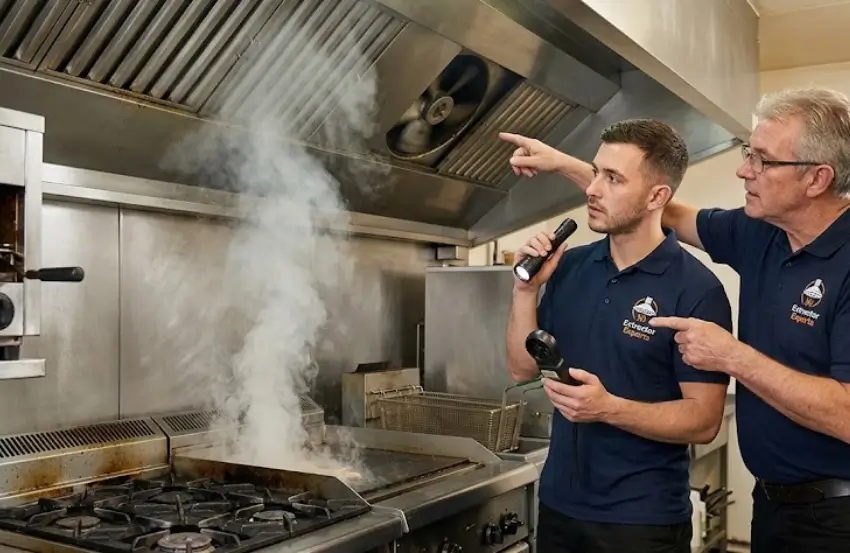
Commercial kitchens produce significant amounts of airborne contaminants during cooking. Without effective extraction, these pollutants accumulate quickly, affecting staff comfort, food hygiene, and equipment performance.
A properly designed ventilation system helps to:
- Remove smoke, heat, and steam
- Capture grease-laden air
- Improve indoor air quality
- Maintain comfortable working temperatures
- Reduce fire hazards
- Increase energy efficiency
- Support compliance with UK ventilation standards
An efficient design also helps lower operating costs by reducing unnecessary energy consumption.
Start with a Detailed Kitchen Assessment
Every commercial kitchen has unique ventilation requirements. Before designing the system, it’s important to assess:
- Kitchen size and layout
- Type of cooking equipment
- Number of appliances
- Cooking methods (frying, grilling, baking, steaming, etc.)
- Daily operating hours
- Number of kitchen staff
- Existing building structure
- Available roof or wall exhaust locations
A thorough site survey ensures the system is designed specifically for your business rather than using a one-size-fits-all approach.
Choose the Right Kitchen Canopy
The extraction canopy is the first line of defence against heat, grease, and smoke.
The canopy should:
- Cover all cooking appliances
- Capture contaminants before they spread
- Be positioned at the correct height
- Match the cooking equipment beneath it
Different kitchen layouts may require:
- Wall-mounted canopies
- Island canopies
- Condensation canopies
- Specialist extraction hoods
Choosing the correct canopy improves extraction efficiency and reduces energy waste.
Calculate the Correct Airflow
Airflow is one of the most important aspects of ventilation design.
The extraction system must remove enough contaminated air without creating excessive negative pressure.
Factors affecting airflow include:
- Cooking intensity
- Appliance heat output
- Kitchen size
- Ceiling height
- Number of cooking stations
Incorrect airflow can lead to poor extraction performance, uncomfortable working conditions, and unnecessary energy costs.
Balance Extraction and Fresh Air Supply
Removing air from the kitchen without replacing it creates negative pressure, making doors difficult to open and reducing system efficiency.
An effective ventilation system should include a balanced supply of fresh air to:
- Replace extracted air
- Improve employee comfort
- Stabilise indoor temperatures
- Support efficient airflow
- Enhance energy performance
Balanced ventilation is essential for maintaining a comfortable and productive kitchen environment.
Design Efficient Ductwork
The ductwork transports grease-laden air from the canopy to the outside of the building.
Well-designed ductwork should:
- Minimise bends and restrictions
- Allow smooth airflow
- Include access panels for cleaning
- Reduce grease accumulation
- Meet fire safety requirements
- Be appropriately insulated where necessary
Poor duct design can reduce extraction efficiency and increase maintenance requirements.
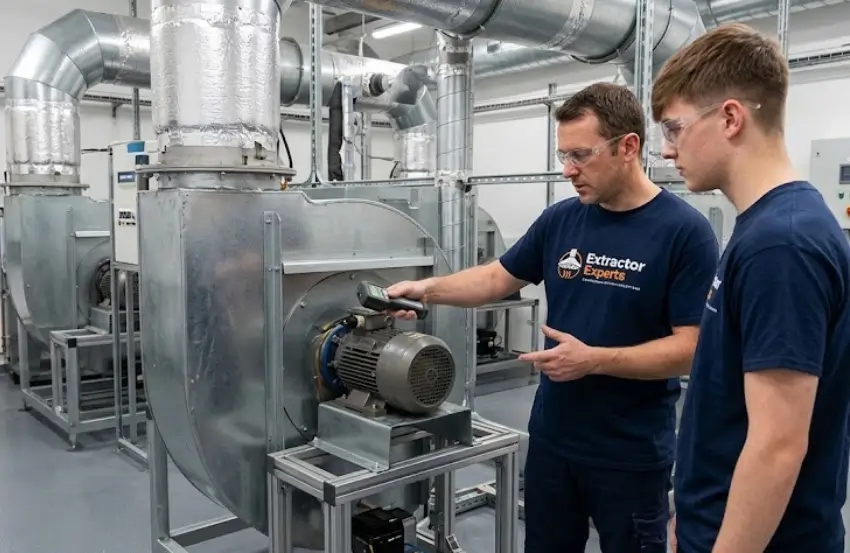
Select High-Performance Extraction Fans
The extraction fan is the engine of the ventilation system.
When choosing a fan, consider:
- Required airflow capacity
- Static pressure
- Energy efficiency
- Noise levels
- Reliability
- Ease of maintenance
The fan should be correctly matched to the size and demands of the kitchen to ensure consistent performance.
Install Effective Grease Filtration
Grease filters protect the ductwork by capturing airborne grease before it enters the extraction system.
Benefits include:
- Reduced fire risk
- Cleaner ductwork
- Lower maintenance costs
- Improved airflow
- Extended equipment lifespan
Filters should be easy to remove and clean regularly.
Prioritise Energy Efficiency
Modern ventilation systems can significantly reduce energy consumption when designed correctly.
Energy-efficient features may include:
- Variable speed fans
- Demand-controlled ventilation
- High-efficiency motors
- Heat recovery systems
- Smart control panels
- Low-resistance ductwork
These technologies help reduce operating costs while maintaining excellent ventilation performance.
Ensure Compliance with UK Standards
Commercial kitchen ventilation systems should be designed with UK regulations and industry guidance in mind.
A compliant system typically includes:
- Appropriate canopy sizing
- Correct airflow calculations
- Safe ductwork installation
- Grease management
- Fire safety measures
- Accessible cleaning points
- Regular maintenance provisions
Designing for compliance from the beginning helps avoid costly modifications later.
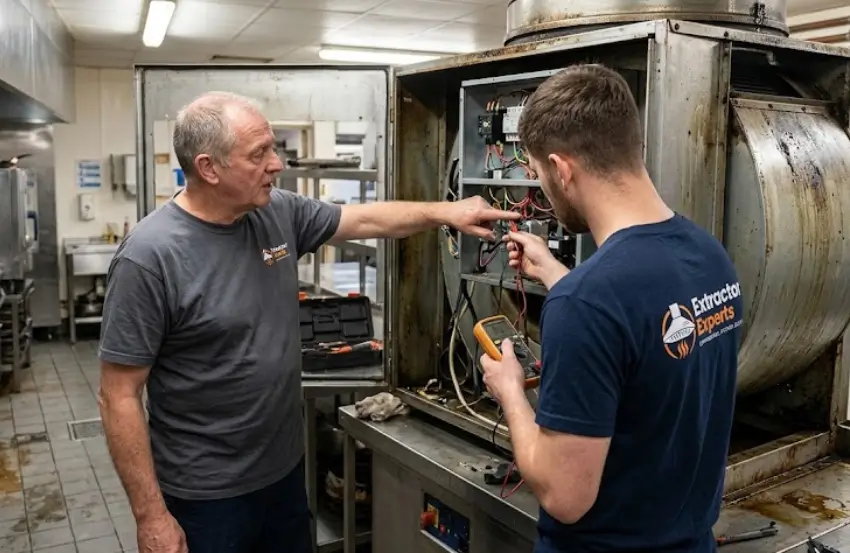
Plan for Future Maintenance
An efficient system should also be easy to maintain.
The design should allow engineers to:
- Access fans and motors
- Remove grease filters
- Inspect ductwork
- Clean internal components
- Replace worn parts
- Test airflow performance
Easy maintenance reduces downtime and helps extend the life of the system.
Common Design Mistakes to Avoid
Many ventilation problems result from poor planning. Avoid these common mistakes:
- Undersized extraction systems
- Incorrect canopy placement
- Poor airflow balancing
- Insufficient fresh air supply
- Excessive duct bends
- Low-quality fans or filters
- Limited maintenance access
- Ignoring future kitchen expansion
Addressing these issues during the design stage can save significant time and money.
Benefits of an Efficient Ventilation System
Investing in a professionally designed ventilation system offers numerous advantages.
Improved Safety
Efficient extraction reduces grease accumulation and lowers the risk of kitchen fires.
Better Air Quality
Removing smoke, steam, and airborne contaminants creates a healthier workplace.
Increased Staff Comfort
A cooler, cleaner kitchen improves productivity and reduces employee fatigue.
Lower Operating Costs
Energy-efficient systems help reduce electricity consumption and maintenance expenses.
Longer Equipment Life
Proper airflow reduces strain on fans, motors, and other ventilation components.
Reliable Compliance
A well-designed system helps businesses meet UK health, safety, and fire safety requirements with confidence.
Final Thoughts
Designing an efficient commercial kitchen ventilation system requires careful planning, accurate calculations, and expert installation. From selecting the right canopy and extraction fan to balancing airflow and ensuring easy maintenance access, every component plays a vital role in creating a safe and efficient kitchen.
Whether you’re building a new commercial kitchen or upgrading an existing one, investing in a professionally designed ventilation system will improve performance, reduce long-term costs, and help keep your business compliant with UK regulations for years to come.